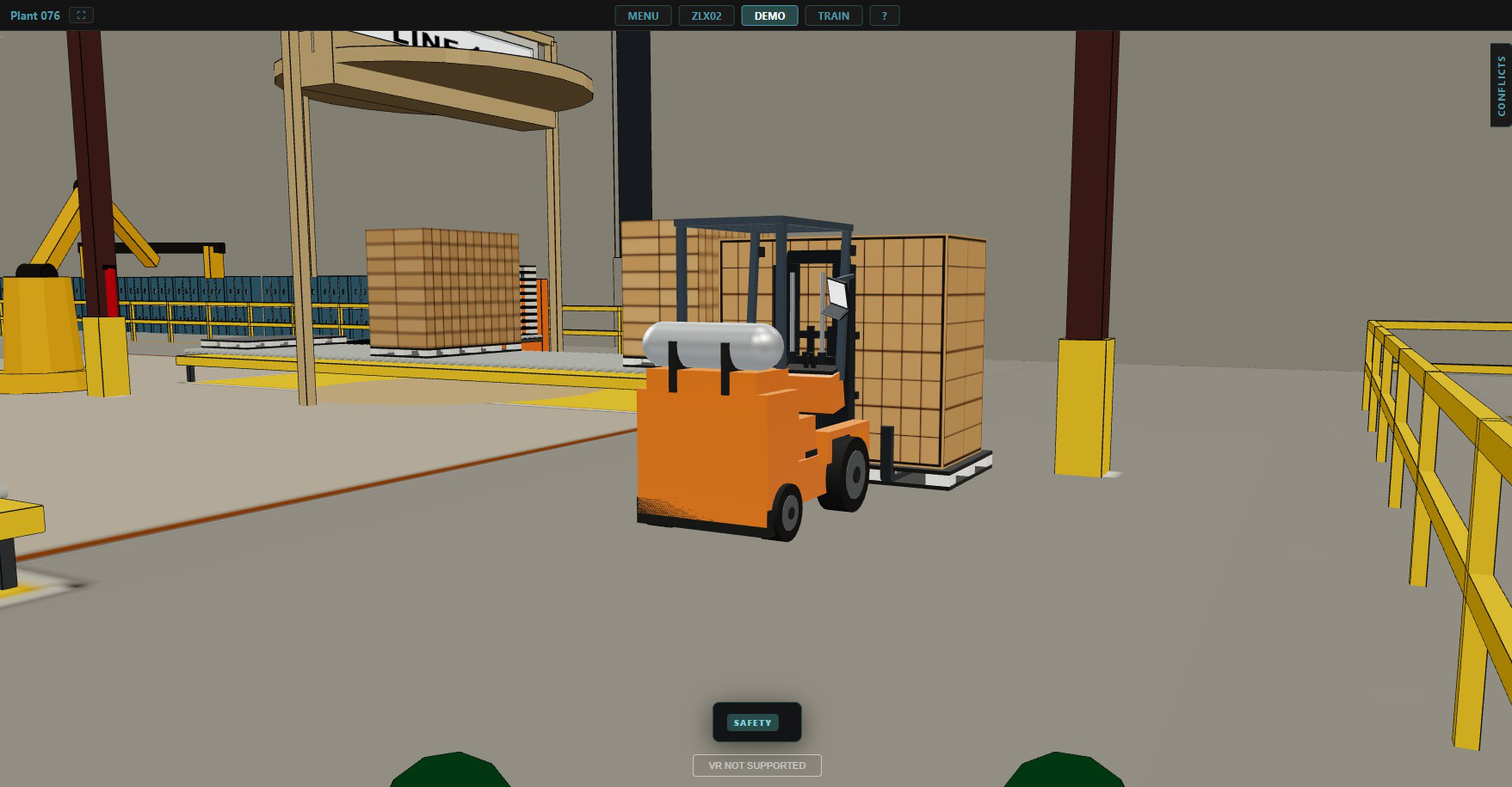
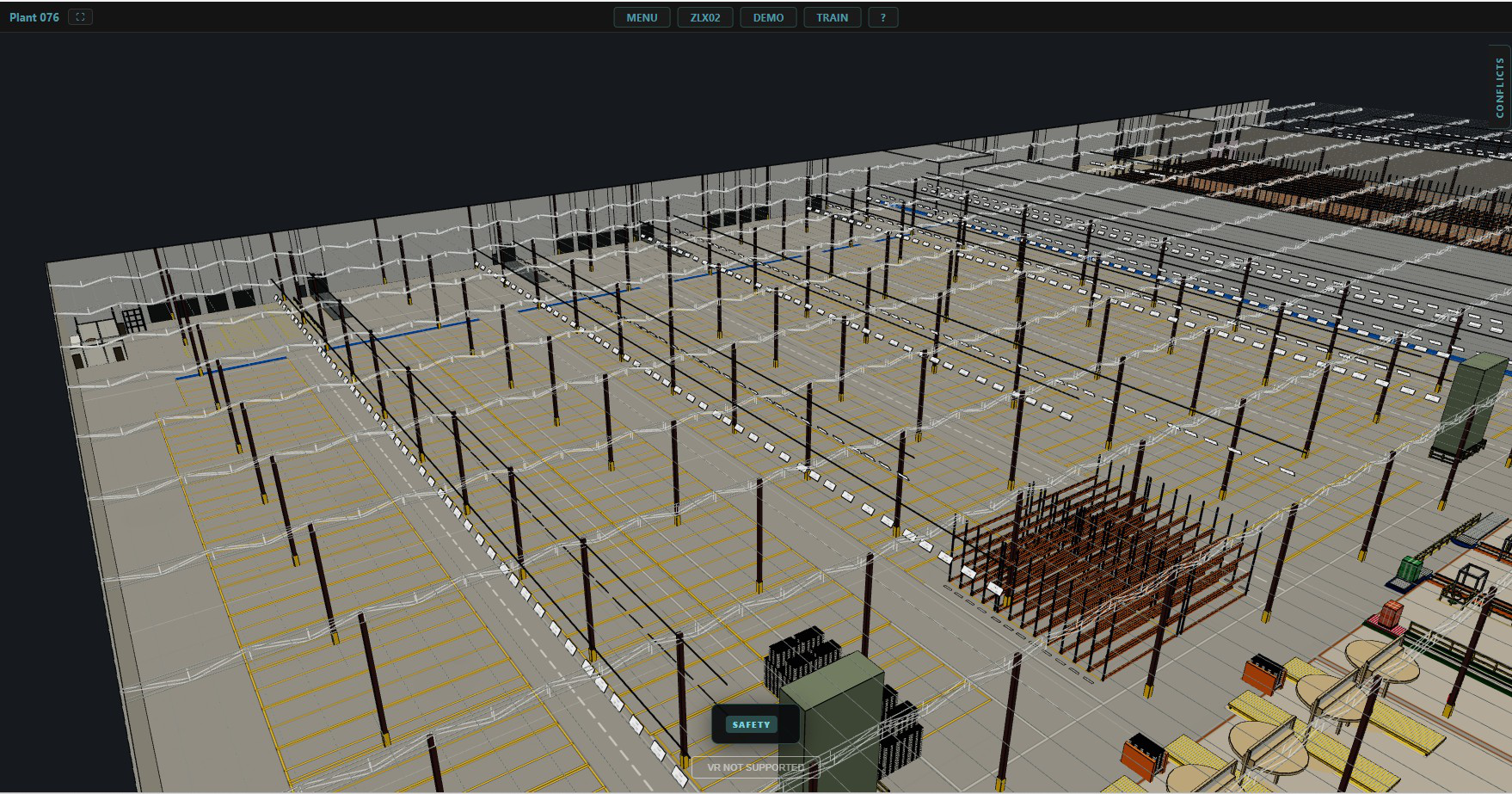
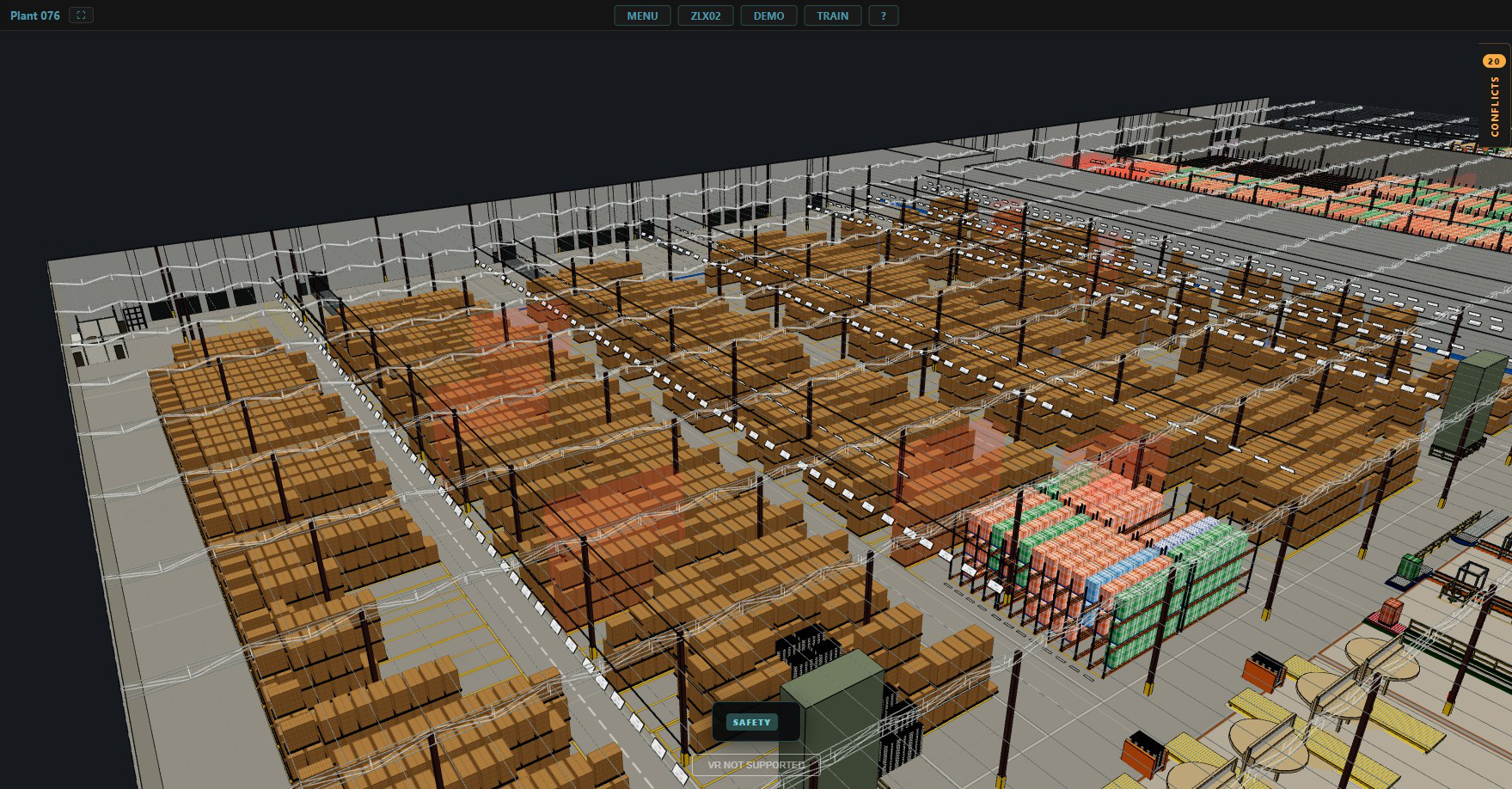
01 / PPK076
I MODEL PHYSICAL SYSTEMS.
Physical operations, modeled in software.
Craig Ramos / Software + AI + Systems Engineering
Warehouse floors, agent evidence, spatial interfaces, and operating systems. I work where software has to survive contact with the physical world.
01 / PPK076
I MODEL PHYSICAL SYSTEMS.
Physical operations, modeled in software.
Verified operational result
02 / Warehouse optimization
I TURN OPERATIONS INTO DECISION SYSTEMS.
176 pallet positions recovered. 22 storage bins freed.
evidence / canonical-run / 0031
CLAIM NARROWED TO REPRODUCED EFFECT
03 / Skill Evaluation Lab
I TEST WHAT AGENTS ACTUALLY DO.
Agents tested against preserved evidence.
04 / Workspace Environment
I RETHINK HOW THE COMPUTER CAN FEEL.
Spatial computing, persistent by design.
05 / PythOS
I BUILD BELOW THE APPLICATION LAYER.
A from-scratch, verification-driven operating system.
06 / Synthesis
PHYSICAL SYSTEMS. SOFTWARE SYSTEMS. AI SYSTEMS. COMPUTER SYSTEMS.
I BUILD WHERE THOSE LAYERS MEET.
The line through the work
That history changes how I build. State has to correspond to something. Authority has to belong somewhere. Evidence has to survive the demo.
Selected work / 2019–2026
01 / PPK076
A warehouse simulation built from actual industrial geometry, then connected to supported local data for navigation, training, and spatial review.
Open case study
02 / Warehouse optimization
Measured result. Human-verified authority. No SAP write-back.
Consolidation recommendations respect material separation, location types, side-bin constraints, and the gap between exported system state and physical reality.
Open case study03 / Skill Evaluation Lab
Controlled original, no-skill, and candidate runs. Preserved failures. Exact artifacts. Cross-model replication. Claims narrowed when effects do not reproduce.
Open case studyevidence / experiment-0031
EVIDENCE BEFORE CLAIM
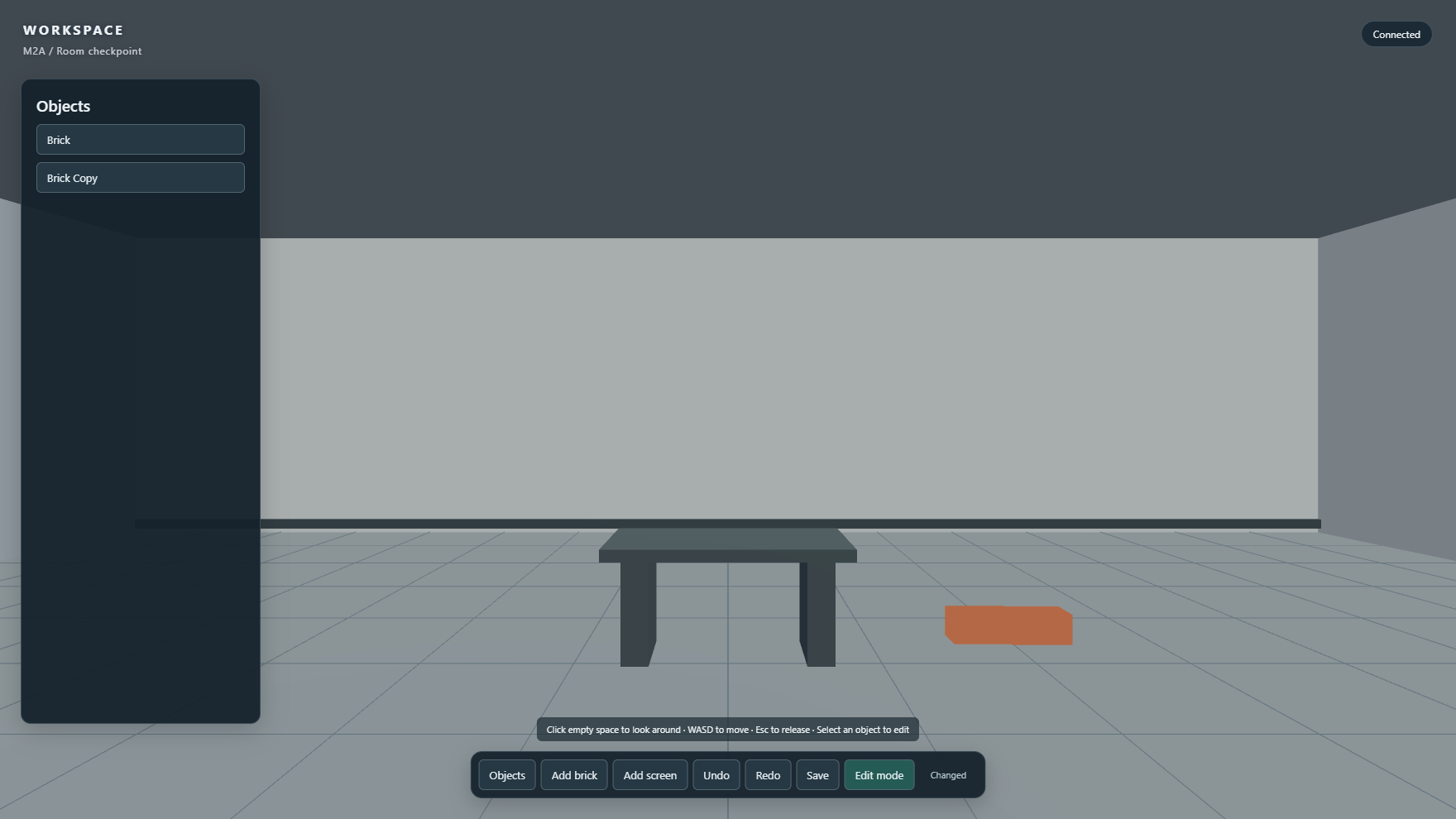
04 / Workspace Environment vNext
Persistent objects, spatial software surfaces, durable identity, and explicit host authority inside a navigable room.
Current evidence: the room and object system are real. The large application screen shown here remains a placeholder at this checkpoint.
Open case study05 / PythOS
A from-scratch x86-64 operating system built around persistent objects, explicit capabilities, recovery, and physical verification.
Names locate. Relationships describe. Capabilities authorize.Open case study
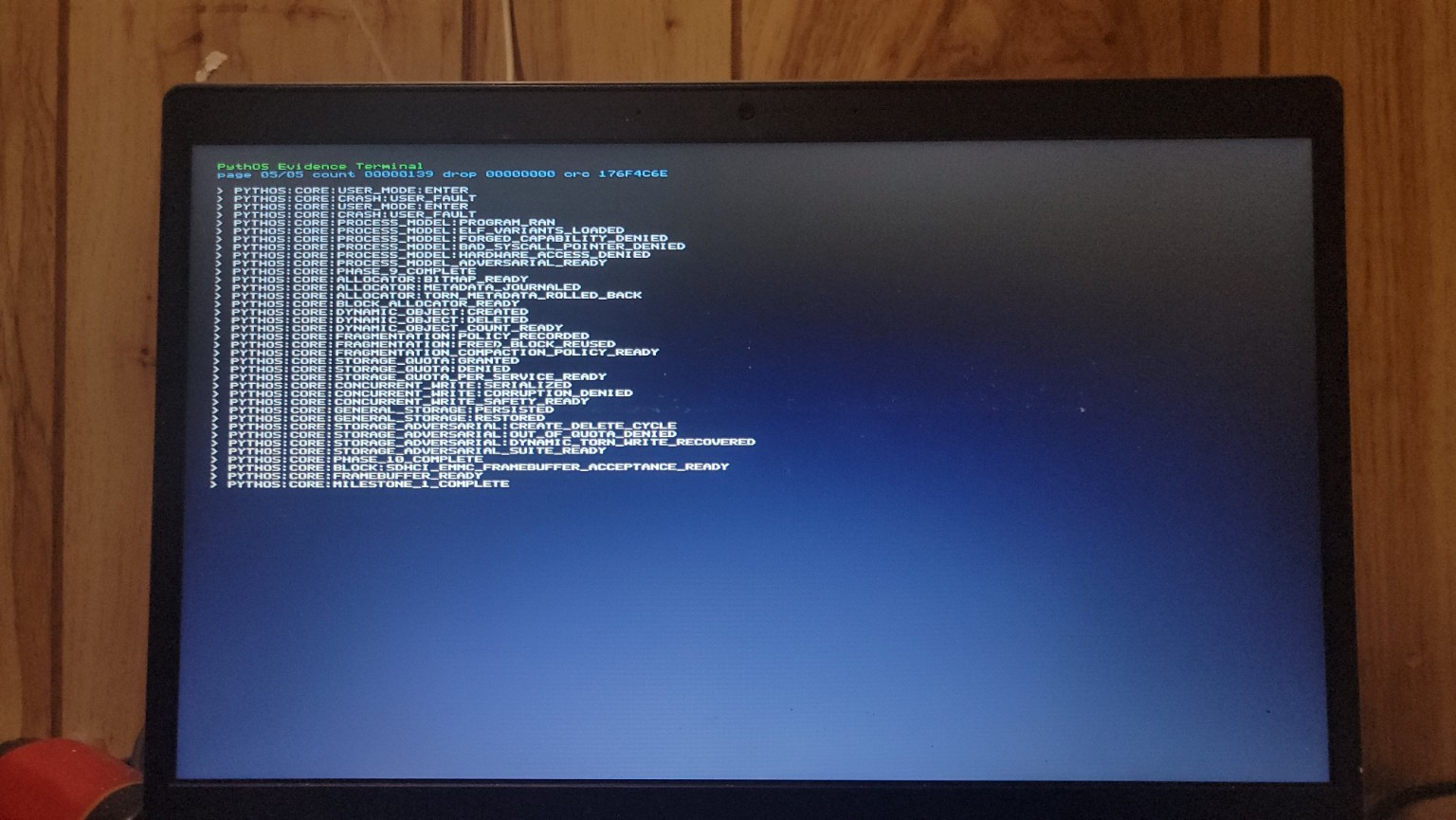
Evidence context
The credential supports the evidence. It never replaces it.
Background
Parts have tolerances.
Systems carry loads.
Failures propagate.
Software state and physical state diverge.
Those constraints become executable systems.
I am building toward software that understands more than screens: objects, space, authority, persistent state, hardware, and the evidence required to trust an action.
Craig Ramos / Louisiana